
What You Need to Know About the Trivy Supply Chain Attack

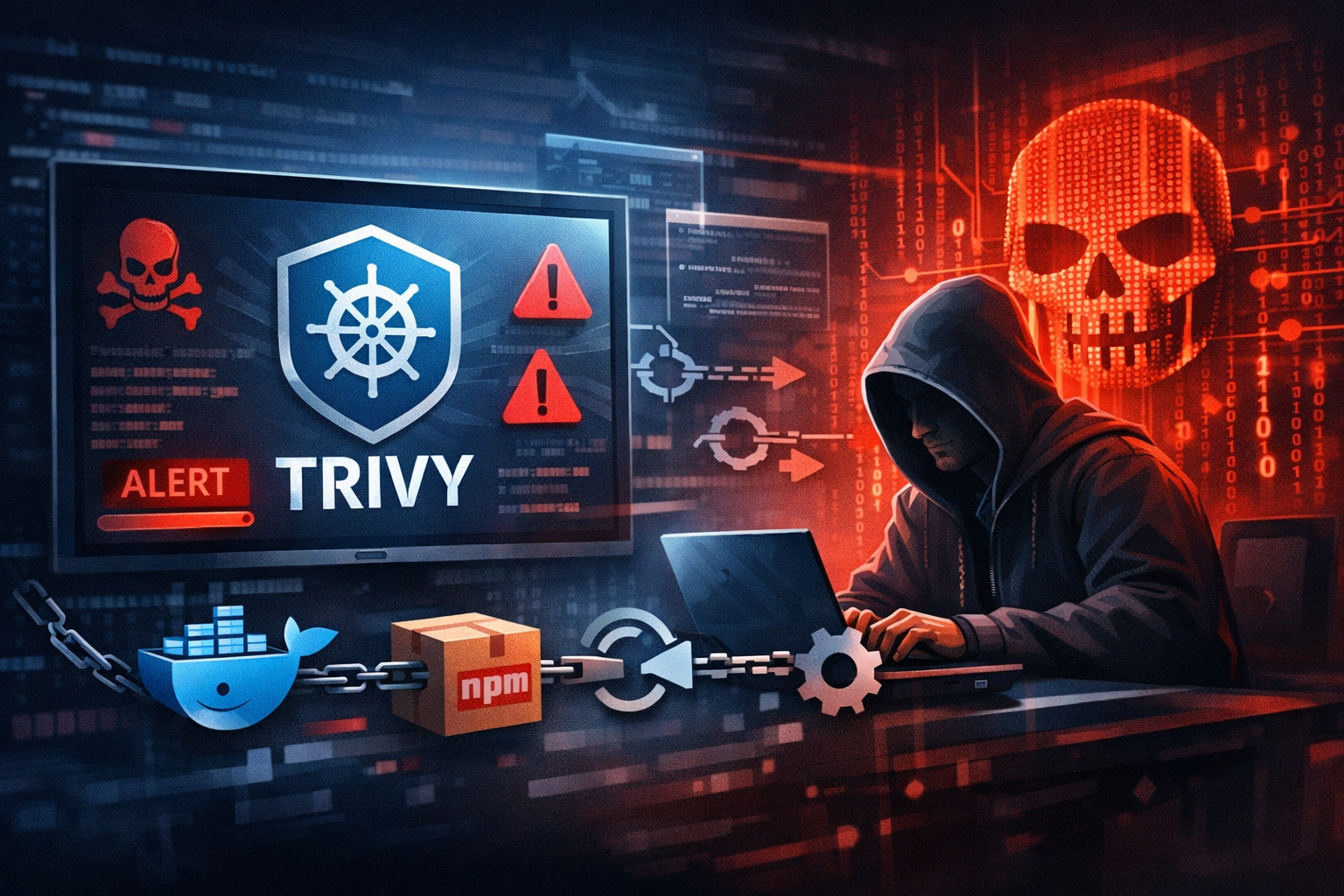
A major supply chain attack has rocked the open‑source security world by targeting Trivy, one of the most widely used vulnerability scanners in DevOps and cloud environments. The attack highlights a growing trend: even trusted security tools can become vectors for malware that impacts developers and organizations worldwide.
🔍 What Is Trivy?
Trivy is an open‑source universal security scanner developed by Aqua Security, broadly used to detect vulnerabilities in container images, infrastructure‑as‑code, and software dependencies — and integrated into CI/CD pipelines across the industry.
🧠 What Happened
In March 2026, attackers leveraged compromised credentials in the Trivy project’s GitHub workflows to inject malicious code and publish tampered versions of:
- The Trivy binary (v0.69.4)
- The GitHub Actions trivy‑action
- The GitHub action setup‑trivy
These altered releases were distributed through official channels like GitHub and Docker Hub, and because many CI/CD pipelines reference mutable version tags instead of fixed commit hashes, they ran automatically in developer workflows without detection.
🎯 Why This Matters
This isn’t just a bug — it’s a classic software supply chain attack:
- Malicious payloads executed before legitimate scanning logic.
- Secrets and credentials from CI/CD environments were exfiltrated to the attacker's infrastructure.
- Pipelines appeared to complete normally while silently leaking sensitive data.
Once these compromised versions were deployed, any environment that pulled or ran them should consider all accessible secrets compromised and be prepared to rotate them immediately.
🚨 Immediate Action Items
If you use Trivy or integrations involving it, security teams should:
- Update to safe versions — switch to verified, unmodified versions of the scanner and actions.
- Rotate all secrets — treat keys, tokens, and credentials as potentially exposed.
- Audit CI/CD workflows — ensure dependencies are pinned to immutable commit hashes instead of mutable tags.
- Check for exfiltration — review audit logs and network activity for signs of data leakage.
🔐 Broader Implications
This incident serves as a stark reminder:
- Security tools are not immune to supply chain risk — attackers increasingly target the very systems meant to defend us.
- Mutable dependencies and long‑lived credentials are high‑risk — best practices like commit pinning and credential minimization are no longer optional.
As software supply chains grow more complex, the industry must adopt stronger verification, monitoring, and response strategies to mitigate these attack vectors.
You should also read:
The Notepad++ Supply-Chain Attack: Technical Breakdown + IoCs
The open-source text editor Notepad++ — trusted by developers worldwide — was compromised in a highly-targeted supply-chain attack lasting six months in 2025. Rather than exploiting a software bug in Notepad++ itself, threat actors hijacked its update delivery infrastructure, allowing them to deliver malicious payloads…
Continue reading...
Why Every Business Needs a vCISO and Regular Penetration Testing in 2025
The New Cybersecurity Baseline, Delivered by Hack & Fix In 2025, cybersecurity isn’t just a line item in your IT budget — it’s a core pillar of business resilience. The pace, complexity, and regulatory weight of today’s threat landscape have redefined what “secure” means. Two…
Continue reading...

🚨 Supply‑Chain Malware Attack Strikes npm and PyPI – Millions of Developers at Risk
Researchers at Aikido Security uncovered a sophisticated supply‑chain malware operation that compromised at least 16 popular packages in the npm and PyPI ecosystems, affecting nearly 1,000,000 weekly downloads. In recent years, open‑source package ecosystems (npm, PyPI, RubyGems, etc.) have become a “highway” for attackers into…
Continue reading...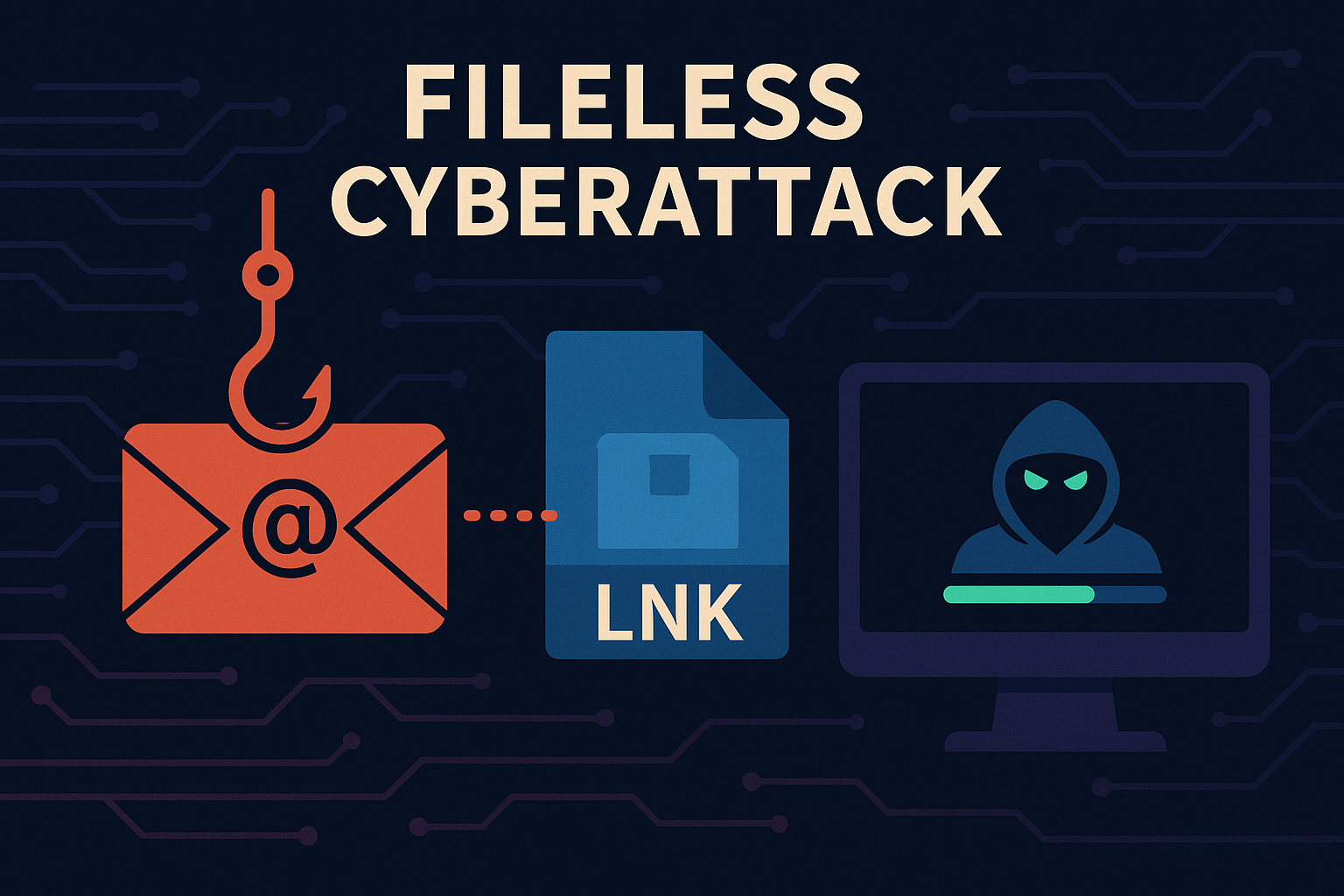
The new fileless attack: Remcos RAT delivered via LNK file in a phishing campaign
Introduction Fileless cyberattacks are becoming increasingly common in today's threat landscape. These attacks execute malicious code directly in system memory, often using legitimate system utilities instead of saving infected files to disk. As a result, fileless malware leaves few traces and frequently evades traditional file-based…
Continue reading...
GitHub Supply Chain Attacks, APT Espionage, and Zero-Day Threats: A Wake-Up Call for Organizations
The cybersecurity developments highlight a growing trend: threat actors are becoming more sophisticated, targeting software supply chains, exploiting unpatched vulnerabilities, and leveraging advanced persistent threats (APTs) for espionage. Cybercriminals exploited GitHub repositories to distribute malicious code and compromise downstream users. These attacks typically involve injecting…
Continue reading...